LeafAudio LC9 Class A High Current Dual Op-Amp 160mA Maximum Output Mini Size OPA2828/ADA4625 Upgrade
Impossible de charger la disponibilité du service de retrait

Description:
New LC9 (Dual) Op-Amp Modules
* New mini-version low-noise, low-distortion discrete op-amps, suitable for pre-amplification, DAC IV conversion, LPF filters, and other applications.
* Uses 2 expensive low-noise JFET 2SK2145 for input differential amplification, with matched transistors (for ON) as a mirror current source, and 1% precision resistors. Even without an adjustable potentiometer, the output offset voltage remains extremely low (<10mV).
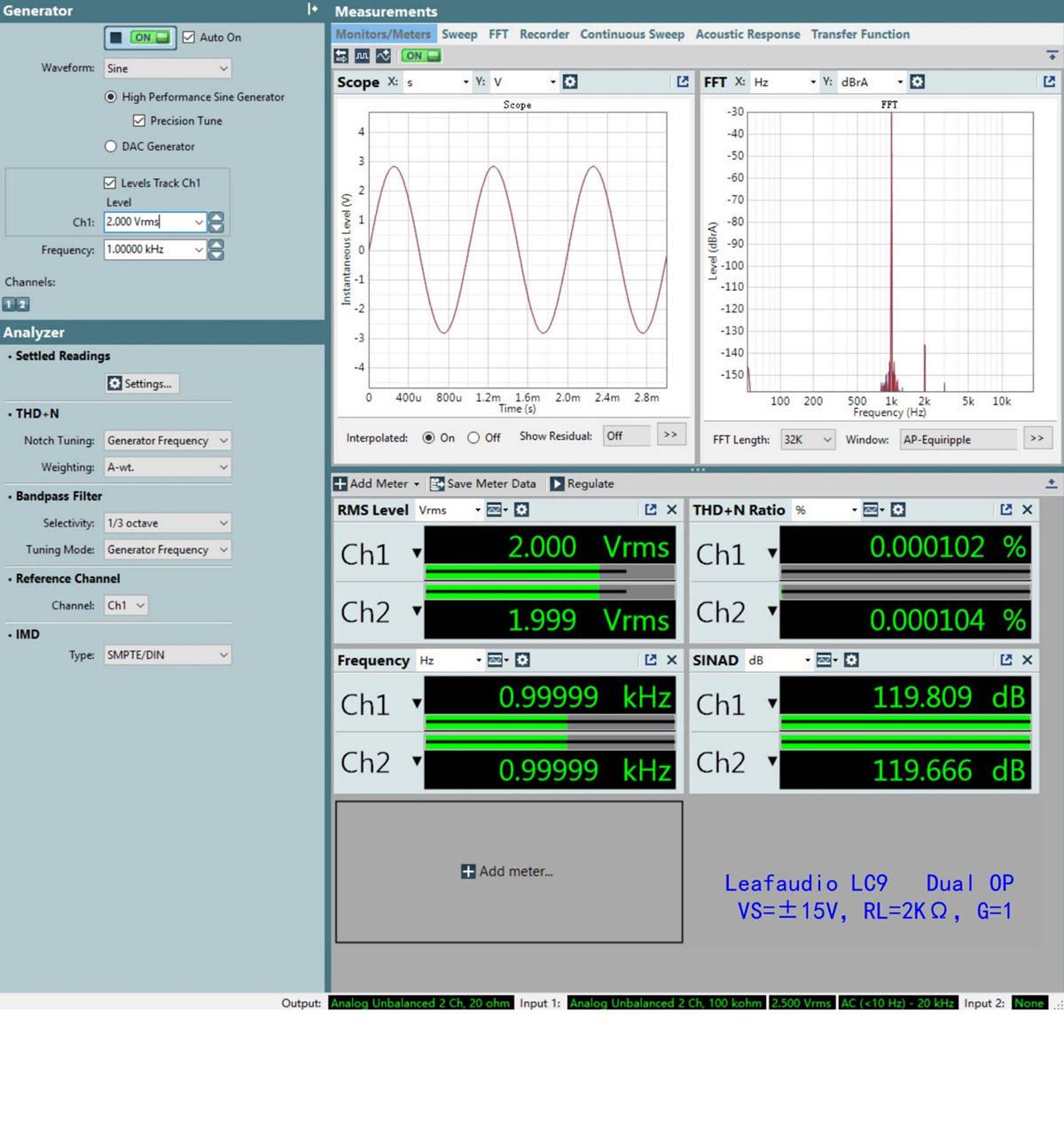
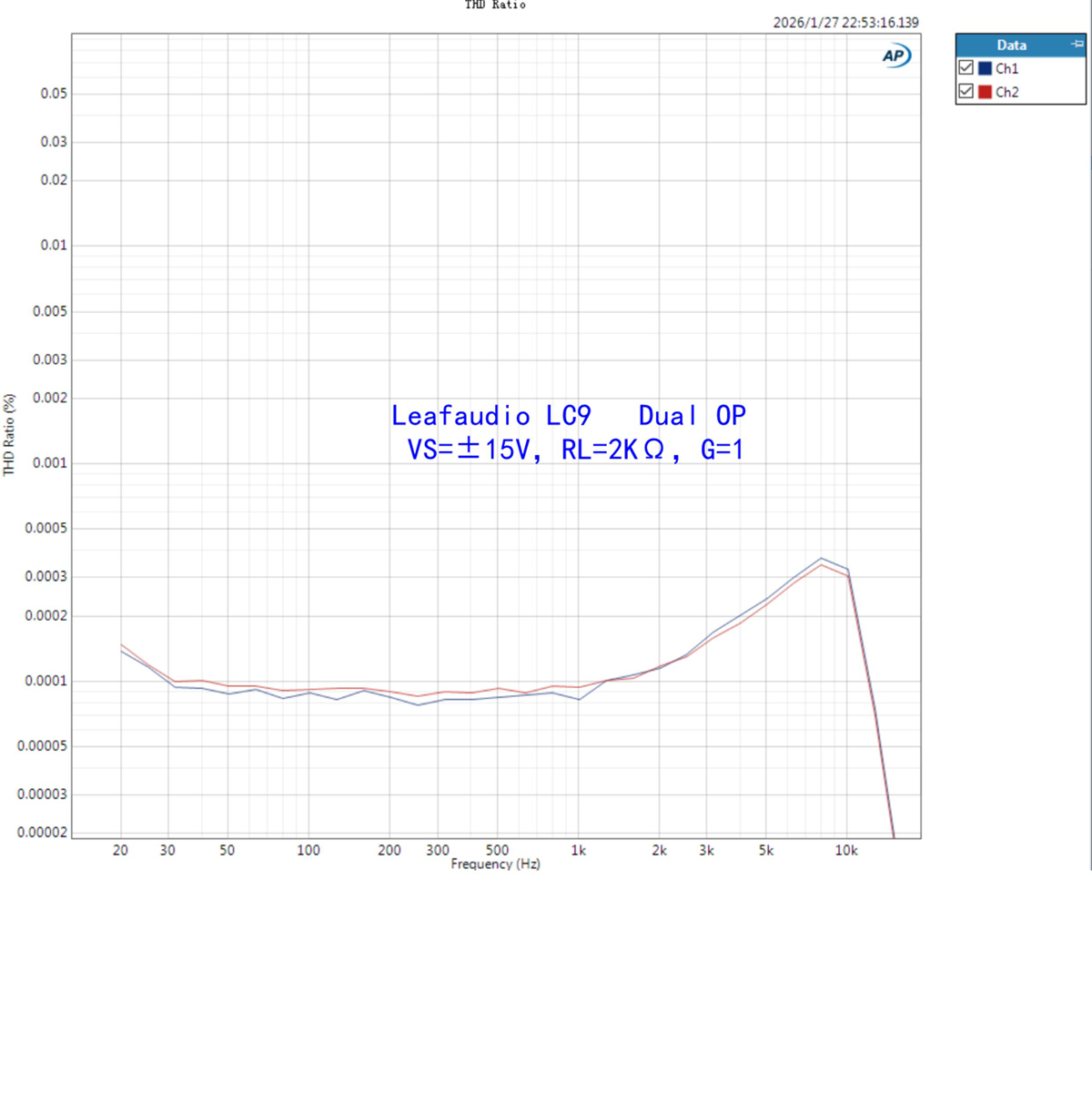
* Megaohm-level high-impedance input, enhancing weak signal collection for preserved detail while maintaining low noise and distortion. Measured THD+N: 0.00005% at 1kHz (instrument self-distortion + noise: 0.00006%).
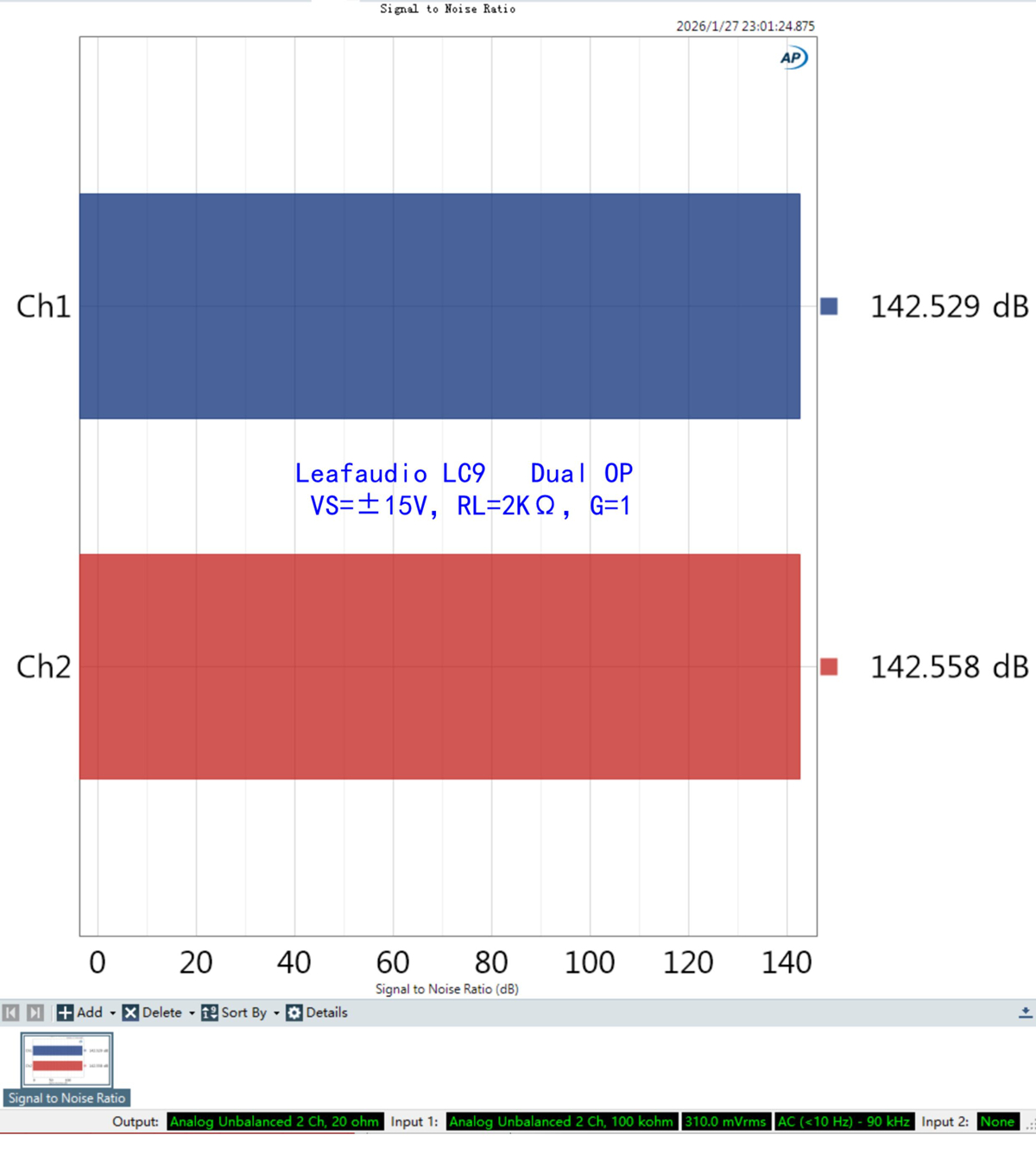
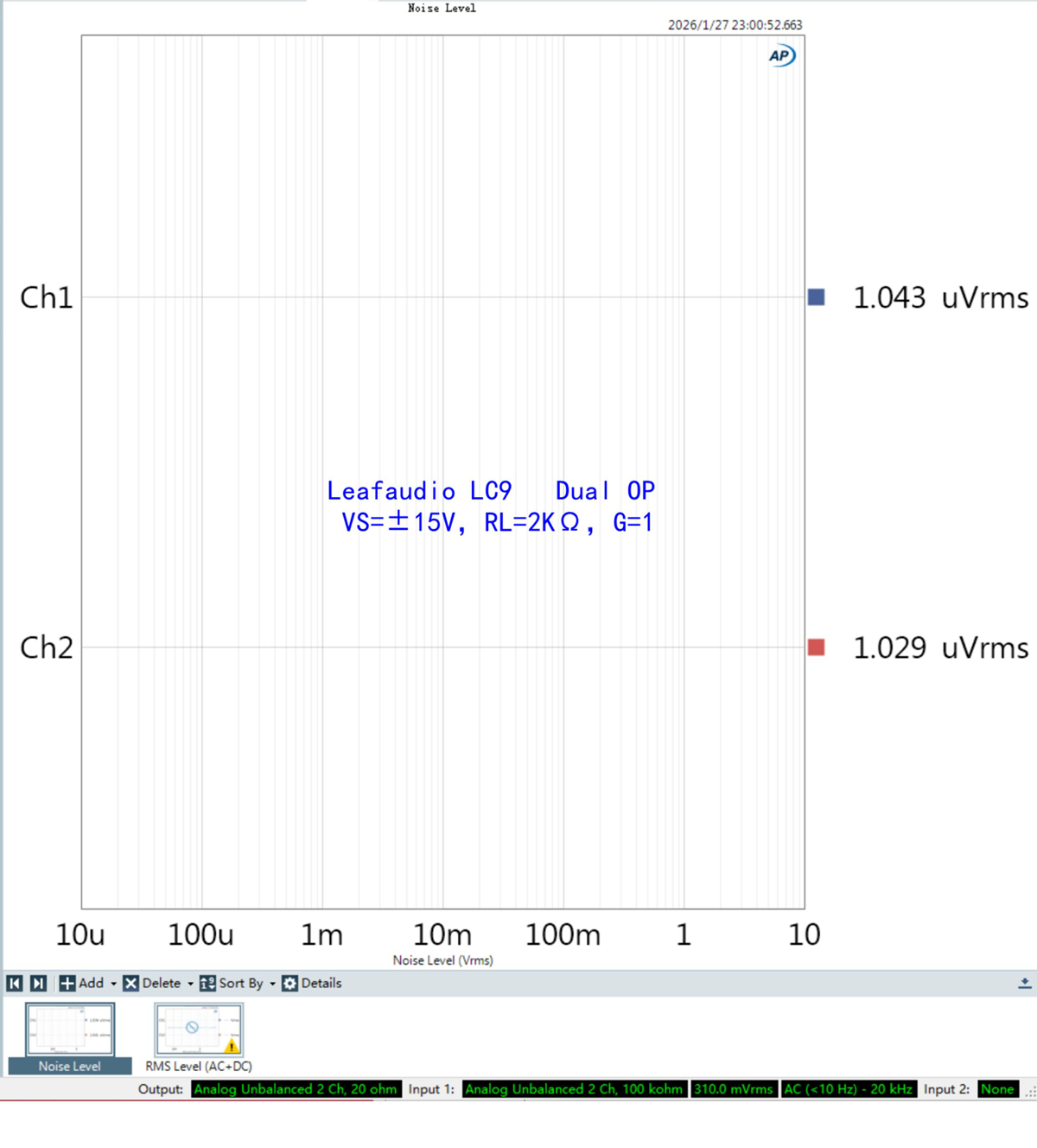
* High signal-to-noise ratio and dynamic range, up to 140dB (at 10V RMS output).
* High output current: distortion is less than 0.002% at 100mA output current — 10x lower than previous modules. Ordinary op-amps would burn out or activate protection at this current level.
* High compatibility: usable in IV, LPF, and amplifier circuits; stable even as a unity-gain buffer.
* Operating Voltage: ±9V to ±22V
* Operating Current: ±30mA (dual op-amp)
Features:
* Compact size with high current capability, ideal for replacing components in devices with limited vertical space.
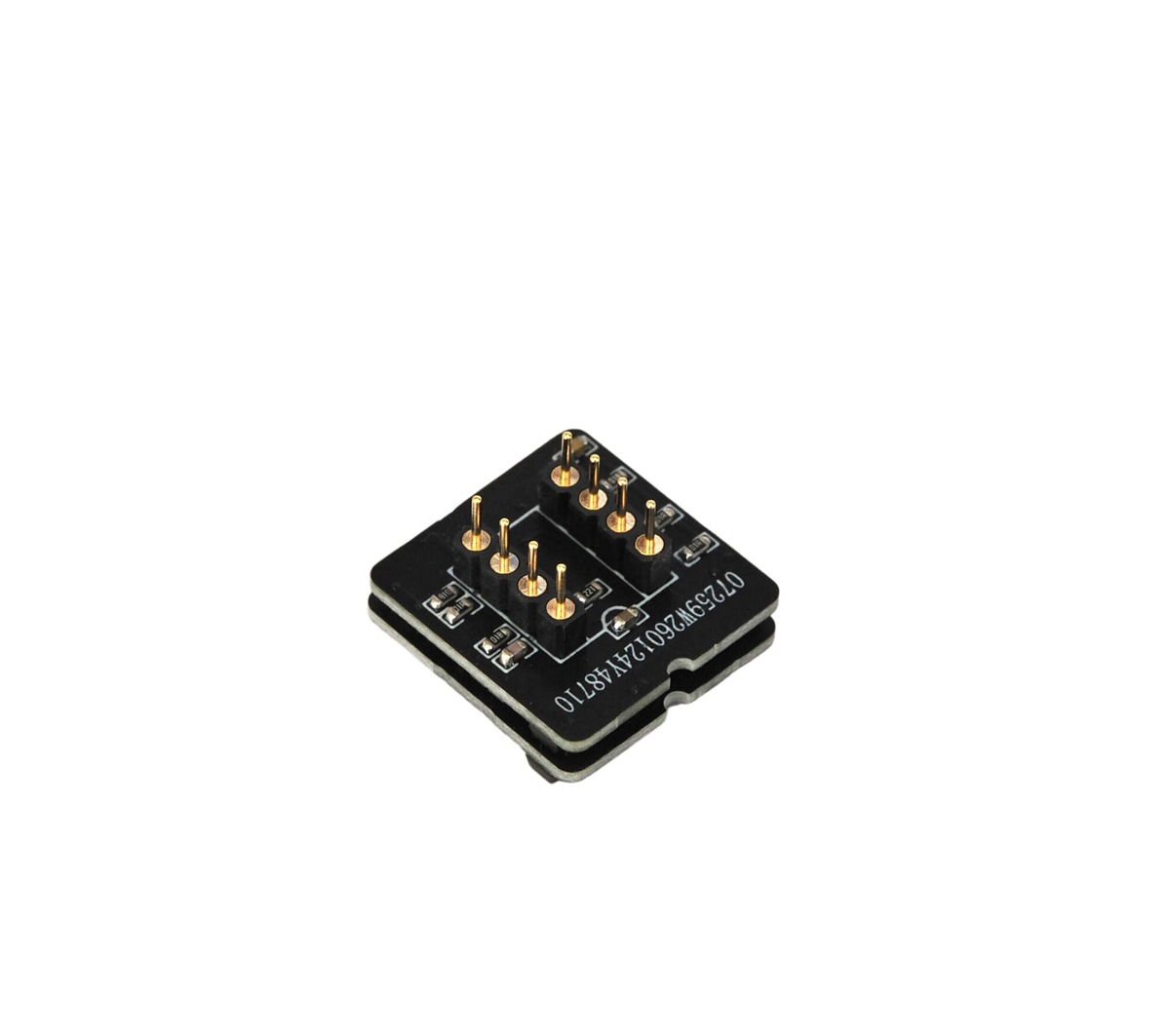
* Dimensions: Width: 18.5mm, Length: 19.5mm, Height: 9mm (excluding pin length)
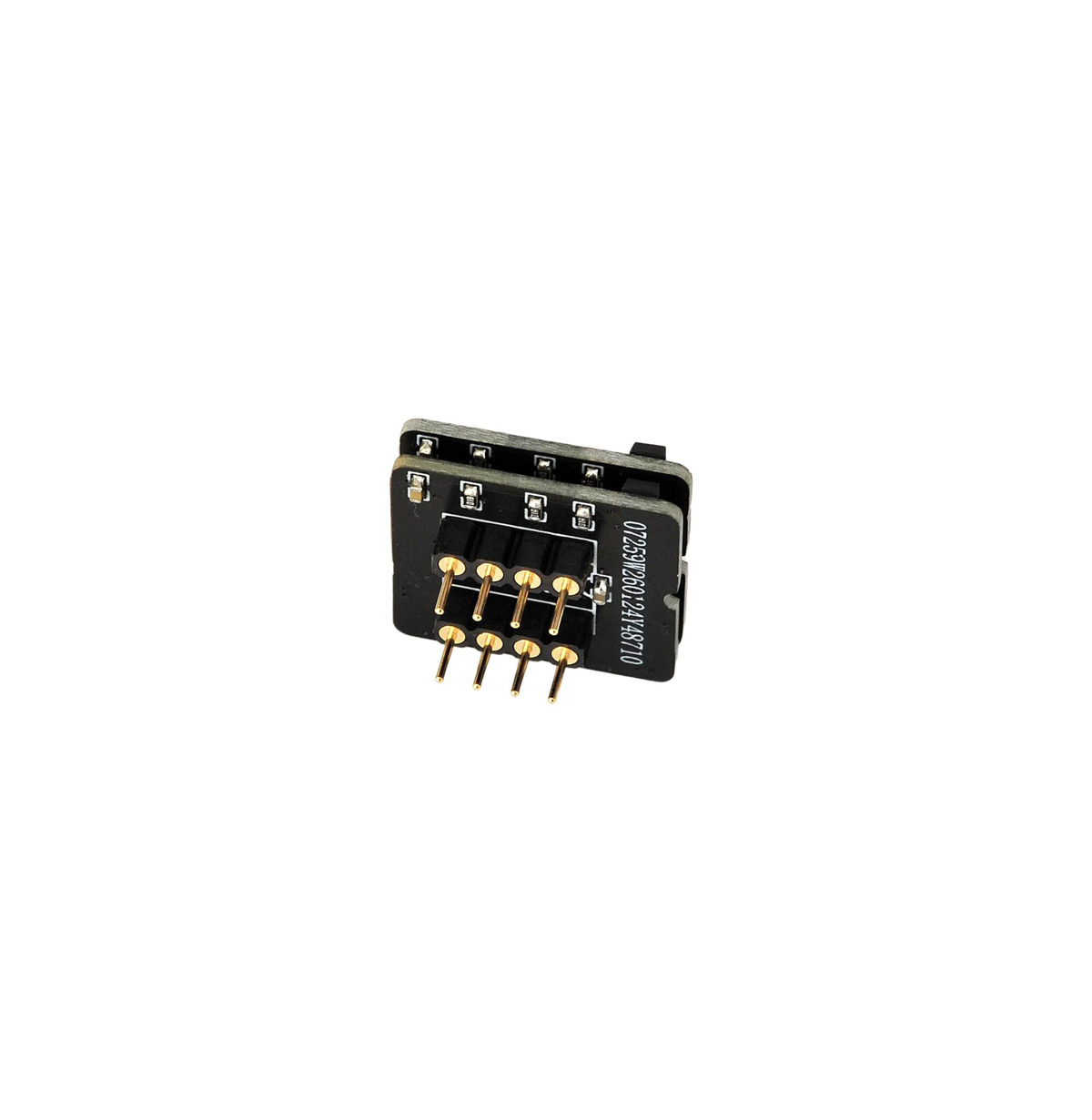
* Thickened, anti-loosening gold-plated pins. Unlike other modules that use thin pins prone to poor contact due to loose connections, this design ensures reliable electrical contact.
* Audio-specific transistors
* Gold-plated thickened pins
* Matched transistor pair (USA) for ON Semiconductor
* Matched audio MOSFET pair (operating in Class A high-current mode)
* Medium-power high-current output transistors
* Quality Assurance: Every module is tested for distortion, signal-to-noise ratio, and output DC offset before shipping. You may purchase with confidence.
* Sound Characteristics: Presents a stable, full-bodied sound with deep bass extension, excellent dynamic speed, and significantly improved resolution and density compared to the previous generation LC5/LC6 series. It also delivers lower noise and distortion.
Attention:
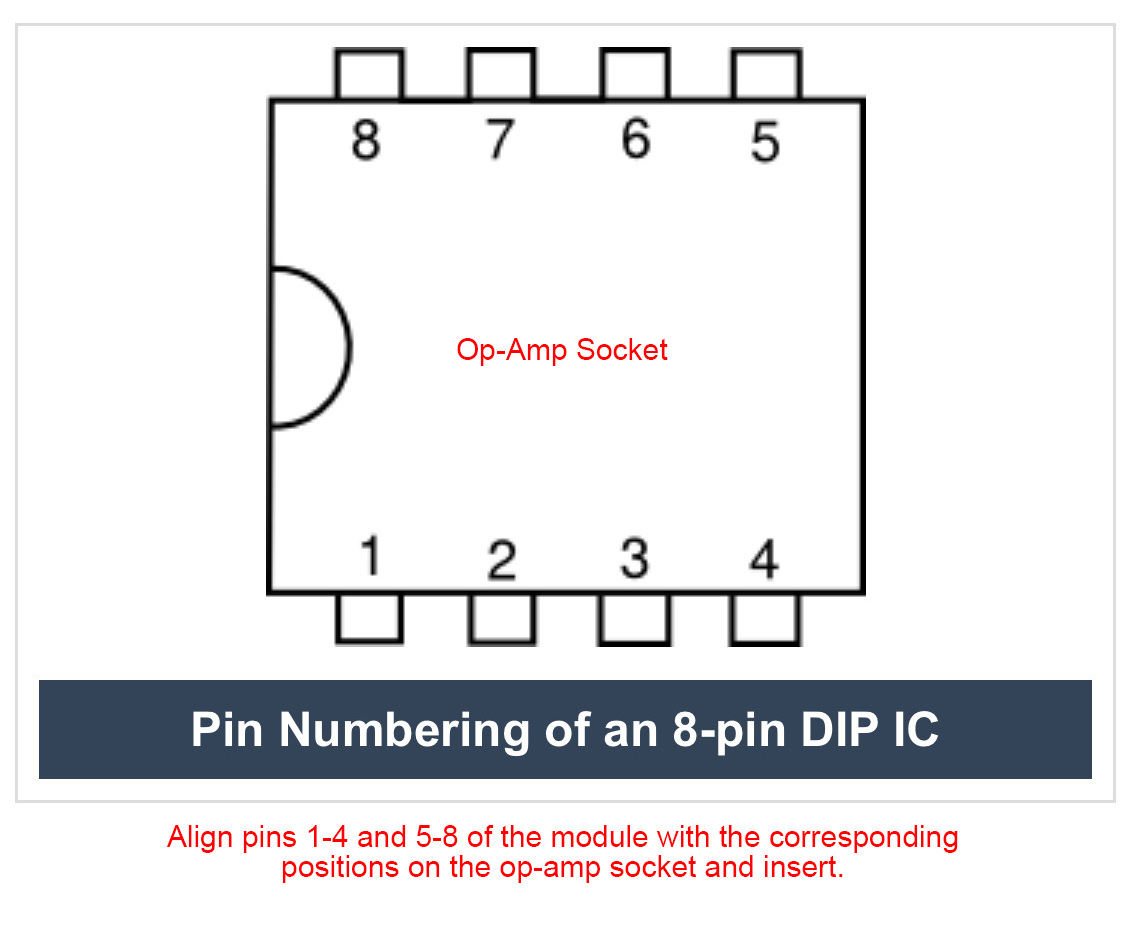
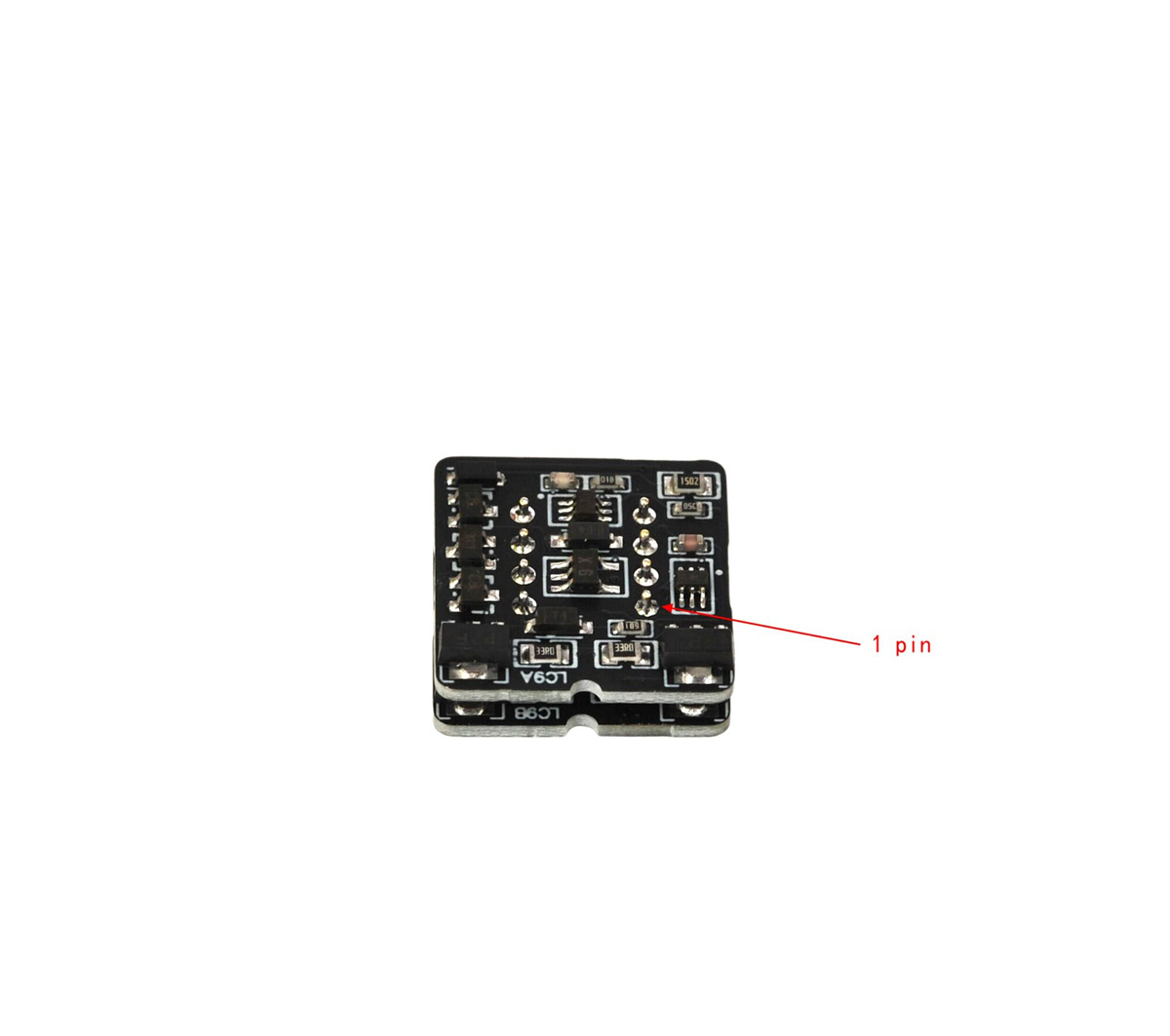
* Orientation: The module has a specific direction, with pins 1–8 marked on the PCB. Pin 1 is indicated by a dot, and must not be installed backwards (Pin 1 should align with the first hole at the bottom-left corner of the op-amp socket notch. We are not responsible for damage to other equipment caused by reverse installation).
* Heat Generation: The module operates in Class A mode, so normal heating during operation is expected (heating is more pronounced above ±15V).
* Current Requirements: The module draws significant current (±30mA per rail). Confirm your circuit has sufficient current capacity, especially when using multiple op-amps.
Compatibility:
Designed for use with LeafAudio's DACs:
* CMD27: 3 dual op-amps
* CMD28: 4 dual op-amps + 2 single op-amps
* CMD29: 4 dual op-amps + 2 single op-amps
* CMD30se: 4 dual op-amps + 4 single op-amps
* CMD32: 6 dual op-amps + 2 single op-amps
Specifications:
* Model: LC9
* Noise: 5nV
* Op-Amp Type: Dual Op-Amp
* Signal-to-Noise Ratio: 140dB
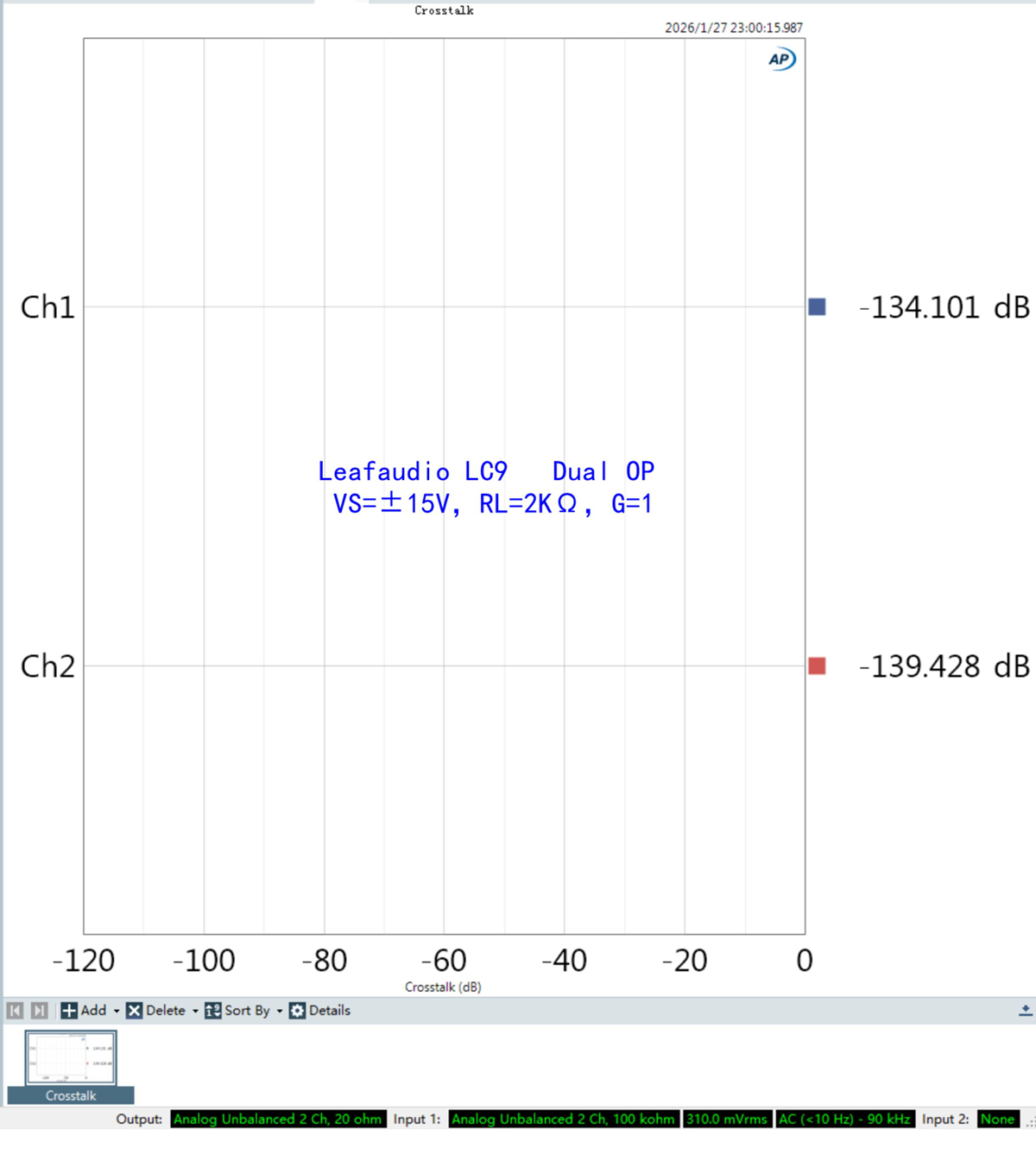
* Channel Separation: -132dB
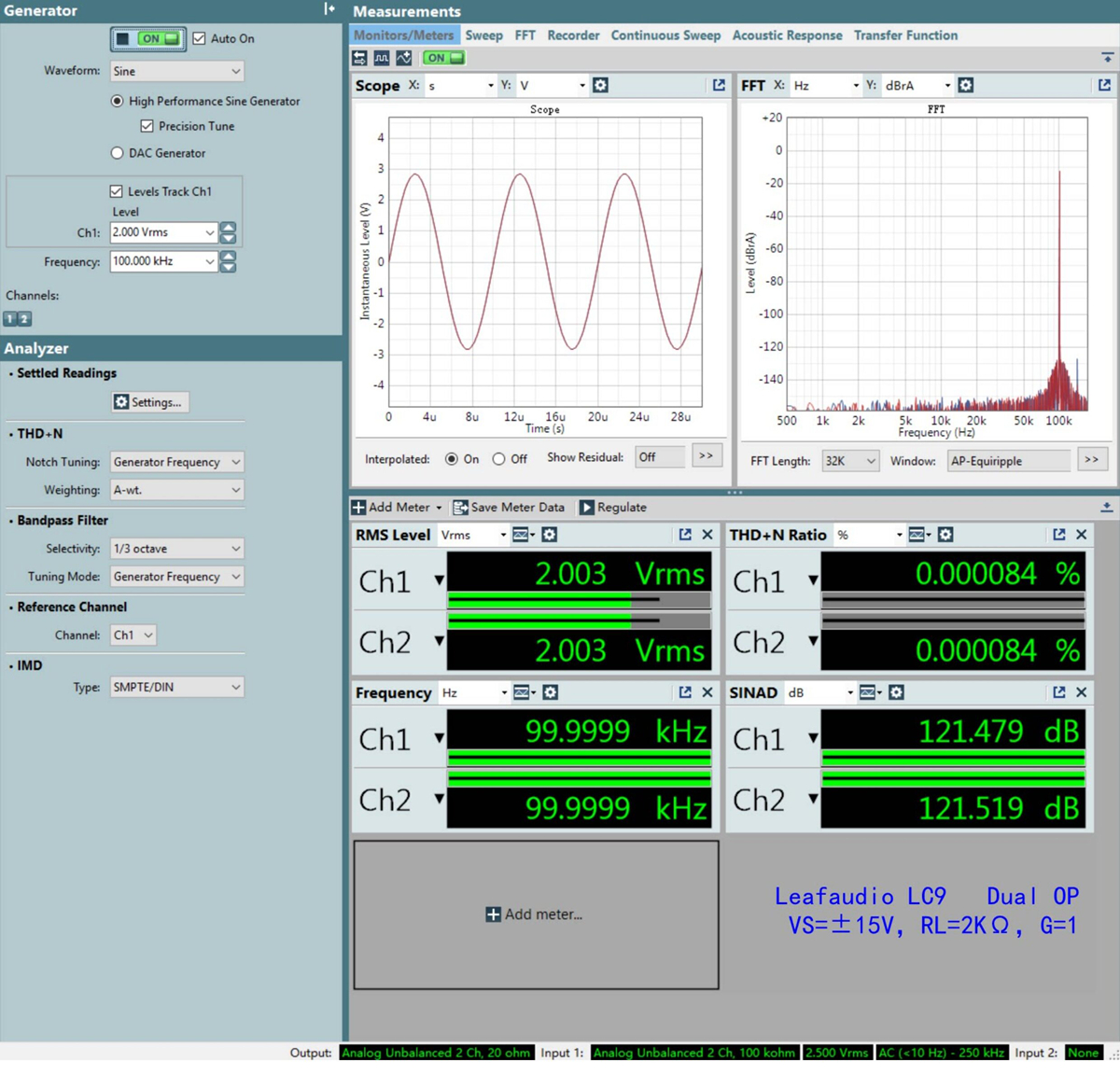
* THD+N: 0.00005% (Note: This includes both distortion and noise, unlike typical op-amp specs that only list distortion. AP555 instrument loopback distortion is 0.00006%, measured at 0.00009% after amplification by this op-amp.)
* Output DC Offset Voltage: < 10mV
* Operating Voltage: ±10V to ±22V
* Frequency Response: 0–100kHz ±0.1dB
* Quiescent Current: 16mA (16mA per rail)
* Maximum Output Current: 160mA
* Slew Rate: 20V/µs
* Package Type: DIP
* Pin Count: 8 (Thickened anti-loosening gold-plated pins)
* Dimensions: 18.5mm x 19.5mm x 9mm (excluding pins)
Packing List:
* 1 x OP-Amp Module
Packaging Details:
* Package weight: 0.15kg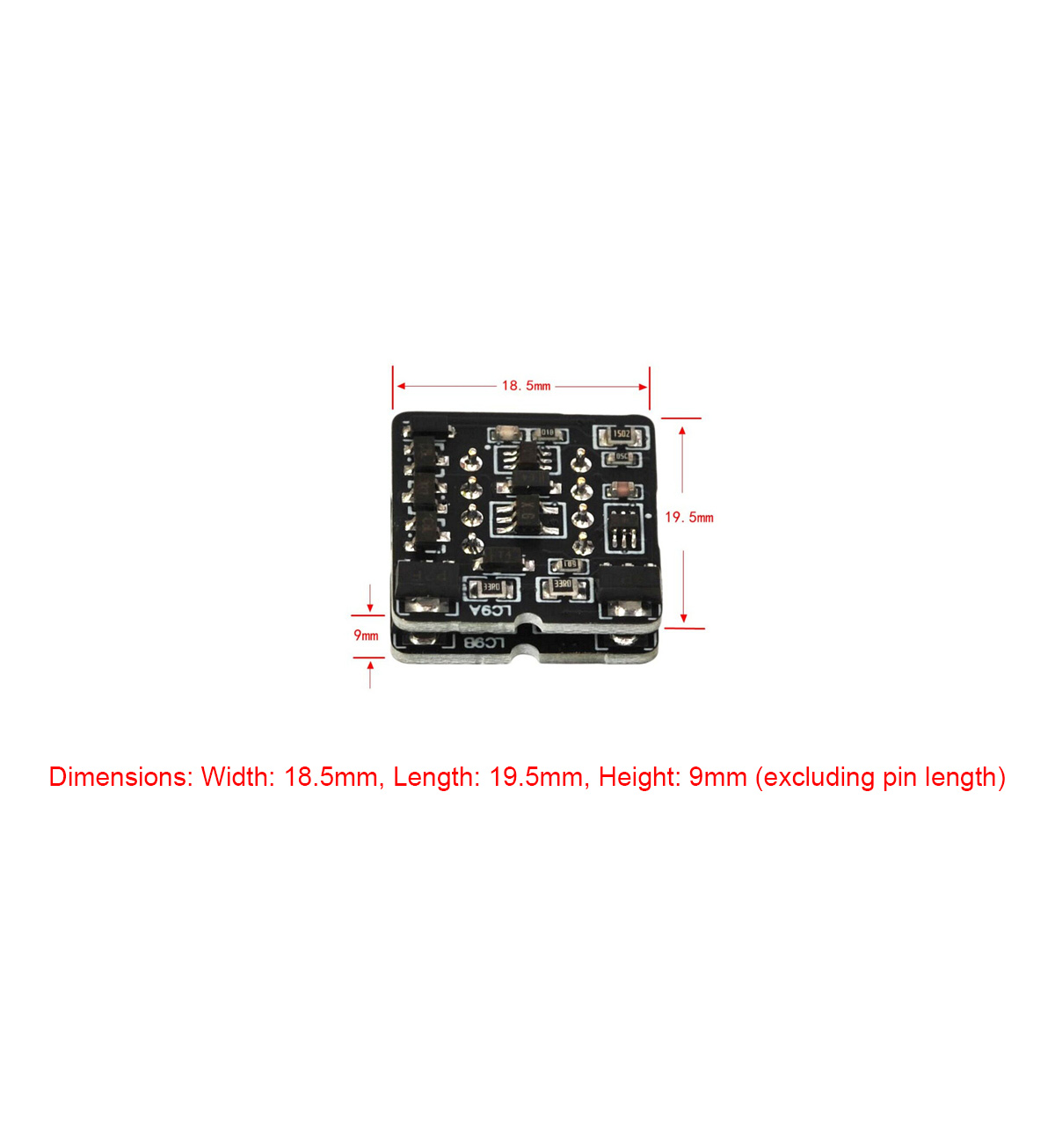
The following test data is for the LC9 dual op-amp, measured using an APx555B audio analyzer. The FFT spectrum shows rich even-order harmonics and extremely low high-frequency distortion. (LC9 and LC10 have identical performance; the only difference is single vs dual op-amp configuration.)